Thursday, June 10, 2010

Early Works: Cross Section Series 「若いころの作品:横 断面シリーズ」

Cross Section Series (横断面シリーズ)は1984から1985年にわたって制作した作品シリーズだった。これらはブラックフィシュ画廊・ギャラリーを1983年の三月に辞めたあとに造った作品で新しく、できたポートランド州立大学のリットマンギャラリーで展示した。母校の後輩たちが係りで招待によりこの新しく、広い、ギャラリーで展示した。

ブラックフィシュ共同ギャラリー・画廊を辞めたのは父が脳震盪でたおれ、彼と彼の商売の面倒を見るのに疲れていたからだ。でも後で解かったことだが実際、まだ他に色々と美術の世界を経験する必用があったのが本当の理由のようだ。

それで父がたおれ落ち着いた後した一つはNorthwest Artist Workshop という、パフォマンスやインストレションなどを専門とする当時アバンギャルド アートを紹介するギャラリー・組織を幹部メンバーとして参加したことだ。ちょうどインストレション作品など制作したい気持ちがつよくこの方向に進んだ。もう一つは木工の授業を工芸専門の学校から一クラスとり、それで木材をを組み立てる方法を学んだ。

それと内面的に自分を見つめる時期にきたようで、神話や夢などを研究したユングー系心理学や、美術や神話などを研究したジョセフ・キャンブルー、それと東洋・近代哲学や様々な宗教学についての本などをを読み、瞑想なども学んだ。私は宗教を信仰するタイプではないが、人間の存在と現実とは何かについて非常に興味をもっているので、それぞれの書いてある部分・考えには興味をもっている。瞑想はたまたま、芸術の仲間が瞑想を教えていたのと、当時呼んでいた本などの専門家たちが集中力を強めるために、進めていたので学んだ。


これらが一緒に合併し、彫刻・インストレション作品として現れたのがこのCross Section Series(横 断面シリーズ) とほぼ同じころに制作した大きなギャラリーサイズのインストレション作品三点だ。これら、大型ストレーションのスライドはまだあるがスキャナーがないのでこの横断面シリーズの作品だけ紹介する。このシリーズでは前に制作した床と壁の作品を合併し、その土台に私の内面を表す世界を作り上げた。

この横 断面の作品を造っている時、私は心の世界を限りなく続く壁や床などでできた建築物の形にした。それぞれ思っていた事・テーマがその内容に合うシンボルで組み立てられたある建物を中心にした作品として完成された。これらの制作はプランはなく、感により作業が進められ、作品が完成にちかづいたころ、やっと何を自分が造っているのだいたいわかってきた。でももっとあと、とくに展示している間、作品を見つめている時、やっと、無意識にいろんなシンボルを作品に取り入れていることに気づきだし、驚いた。今思うとこれらの作品やこのころの作品制作をとおして、自分を見つめなおし、自分を知り、同時に社会・政治・主教・哲学・美術すべての分野の「真実」について疑問をもつようになり、自分なりに意見をもつようになったようだ。


Cross section series are works I have made between1984 and 1985. This was a period after I resigned from Blackfish gallery in March, 1983. These I exhibited at newly, opened Littman gallery at Portland State University.

My major reason for quitting Blackfish was I was under stress from help taking care of my father who had stroke in December and also taking care of his business. It was though a good time for me to move onto other things as well since I was still relatively young and inexperience and need to try other art activities. These I did after after I settled down.

One of the thing I did was join the Northwest Workshop, an alternate gallery that specialized in exhibiting then avant- garde type art such as installation and performance arts. Another thing I did was I took a term of class in woodworking at Oregon Arts and Crafts where I learned to make dovetail joints.

Also I was entering a reflective period of my life. I found myself reading books by Jung, Joseph Campbell and others who dealt with dreams, symbols, psychology and myth interpretation as well as on eastern philosophies and comparative religion. Result is these cross section works in which I combined the previous Wall and Floor series pieces to create a metaphysical 'room' that exist deep within my mind.

When making these works, I have pictured my inner mind as an infinite architectural structure with walls and floors. Each particular subject that was occupying my thoughts became a major structure, a sculptural edifice, that was built in such a way that symbolized the trains of my thoughts. These works were done intuitively, and it is toward the final stage of completion that I became somewhat aware of what I was making. However, it is much later, especially during and after the exhibition that I became aware of various symbols that I subconsciously incorporated into these works. This was for me a time of transformation from youth to adult: I was really interested in discovering who I am and had desire to interpret the reality in my own ways, which is through sculpture.

Photo of these works are very poor. They were originally in slide form, but were then developed into photos and later scanned. These are definitely works that I can say the real works are far better than photos. I really had a great time making this group of work and these were very well received.


"Primordial Wall" 「原始の壁」
65"x8'x12' Mixed media construction with redwood lumber, plywood and pebbles
1984-5 赤木、ベニ板や、石ころで完成されたミックスメディアコンストラクション作品
(やく 165cmx2m50cmx4m)

This was one of the most ambitious of early works and also one of my favorite; it received very good response from a knowledgeable audience. Unfortunately the photo is very poor, and I'm sorry to say its difficult to get a feel of this piece from this photo. The work combined the elements of Wall pieces and Floor pieces except this one is naturally finished. I initially had plan to make a huge installation piece that contains a room full of these walls and floors. Like a Big Bang Atom, for me this Wall contains all that is me. At the same time it is the Wall that records all that is me.

この作品は若いころの作品の中ではもっとも大きく、好きなサック品のひとつで芸術に詳しい人々の評価も好評であった。残念ながら写真がとても悪く、作品の感じや形が全然とれていない。以前に制作していた「壁」と「床」のシリーズを合併して制作した作品。一番最初に作られた壁という意味で造った作品だが、ビーグバーンのアトムのようにすべての私の始まりがこのカタマリからという意味にも思い、、又すべてがこの壁に刻んであるというイメージにもこの作品が意味するのではと思った。


"A Sanctuary: a Place of Refuge, A Place of Rebirth, and a Place to Metamorphose"
「聖所:回復する所で生まれ変わる場所でもあり、又、変態するところ」
22"x40"x41" 1984-5


(detail) Mixed media assemblage with plywood with metal hardware, wire cloth, pebbles, sands, sand papers, cork and photo copies,o0

At the time of making I wasn't sure what I have created. Currently I see this as earth-
a place of refugee, a place of rebirth and a place to metamorphose. I or rather my 'soul' is here in this earth hopefully to undergo growth and metamorphosis. This is a theme I am planning to explore more with "the Tree of Life" works. Intuitively I must have felt this as I worked on this piece. Various copies of photos of myself at different period of my life probably indicates both the process of growth and stages of my life. This is a theme I am planing to explore more with " The Tree of Life" works so I will leave explanation of this piece at this.

制作している時は何を造っているの良くわからなかったが、今ではこの作品の「聖所」とは地球のことを意味しているのかなと思う。ここでの人間としての一生は自分の魂を育ち、次の段階へ進めるための場所との意味をこの作品は表しているのではと私は思う。このテーマは「生命の木」の作品でもっと深める予定でいる。


"While sphinx Lies Still and Watches the Drifting of Sand, Shiva Dances the Dance of Life and Death. 「砂の流れを静かにスフィンクスが見つめている間、シバは生と死の踊りを踊る」  26"x42"x43" 1984-85


(detail view) Mix media with plywood, newspaper, stained cloth, patterned cloth, sand, pebbles, metal cloth, pegs, sand paper. 1984-5
ベニ板、新聞、スタイン布、パタンの布、砂、石ころ、メッシュ、ペッグ、とヤスリ紙などでで完成されたミックスメヂアコンストラクション

Relatively large wooden piece on the back is a geometrical Sphinx and the rows of stepping columns making up and down ' movement' is Shiva dancing. Sphinx lies still in desert questioning people and Shiva, the Hindu god is dancing the dance of life and death. I thought to have a balance, meaningful life, I needed to be both Sphinx and Shiva that is I need to enjoy life as in Shiva as well as have a reflective side which for me is Sphinx."

これらの写真ではよくわからないが、大きな木の形の建築物はスフィンクスの形をしている。そして、リズムのあるように上がったり、’下がったり、するコラムがインドのシバの神を表している。四角い、いくつかのパンドラの箱のようなものはそれぞれの人生のある一部の思いでを入れている。このころ私はスフィンクスはように人生の謎について考えてばかりいて、気がついたら時が進んでいる。人生には考える必用もあるがシバのように生命を楽しむ必用がある。このバランスの生き方が私にあっているのではとこの作品は言っているように思えた。


" An Inner Babel Trumpets the Cacophonic Sound of Dissolution of Unity and Process of Individuation" 
「心の中のバベルの塔が統一と個別化するプロセスの崩れによる不協和音を吹く」
21"x32"x41" 1984-5


(detail)Mix media construction with plywood, newspaper, sands, metal cloth and cut outs from old National Geographic magazine
ベニ板、新聞、砂、メッシュと古いナショナルジオグラフイーの切り取りの
ミックスメディアコンストラクション

It maybe hard to see from these photos, but there are hundred of puzzle like plywood pieces with various photo cut outs from National Geography magazine glued on. It is as though the structure is going through disintegration and each fragments are puzzle pieces. The work I think is saying that so called ' Truth' is disintegrated to various individual pieces and the answer lies in putting them back together. For me then each pieces, each individual is important part that together becomes a whole. The answer lies in all of us.

この写真などでははっきりと見えないが、古いナショナルジオグラフィ雑誌から切リとって百枚以上のベニ板にはった写真がこの作品にばらまいてある。まるでバベルの塔の建物が崩れ、パズルのように散らばれているよう。この作品で私は多分、『真実」と言われる物は今ばらばらに散らかれ、それぞれの部分、いや個人、個人一リ、一人、に隠されているのでは。それにより、一人一人の存在が大事で、まとめて、宇宙の存在の答えがでる。


"Way Station: Where Paths Meet and Directions, Infinite"
「多くの線路が出会い、方向は限りない中間駅」

Mix media with plywood, cloth, cord, pebbles, and sand;
14"x42"x44" (やく35cmx110cmx120cm)

For me, Way Station is myself of the moment; the bench, thoughts at rest; and lines of rail, threads and variously angled white sheeted forms, all the events and lives of people that are connected to me at this point of time. To which direction I set depends on what rail I choose perhaps, but it also depends on type of rails and lines that comes and meets me. o I am g.iven the choice to navigate my life, my fate, but the fate is not of my making.

私にとって、この「中間駅」の作品は人生の方向を決める時の私で、沢山の線路や白い布の物や糸は人との出会いや様々な方向性を語っている。このころ色んな人・物との出会い、イベント・活動などの出会いなどたんに偶然ではなくそれぞれ何か意味があるようにこのころ私は考え出したのがこの作品として現れた。 また出会いにより、私の人生の方向がくるくると変るのも振り向くと非常に面白く思った。よく合った人たちがよくもわるくも私に栄養を与えたことは確か。感謝しています。’その栄養がどのようなものか考えるのも一つのスフインクスの私の部分を楽しませる。

これらの作品は制作するのにもっとも私が楽しんだグループの一つでまた観衆にとても良く受けた。残念ながら、写真が最悪で、本物のほうがはるかに良かった と言える作品集の一つである。赤く、古びたスライド写真を札幌でプリントし、道都大学でスキャンしたのがここに紹介している写真だ。あとこのグループの作 品制作がヒントになり、昔道都大学の二年の授業「造形実習の課題を作った。それがこのCG・ゲーム世代に合っていたようだ。私は美術・哲学・文学・心理学などからバックグランドから編み出した課題を学生たちは’漫画、ゲームなどの方向から答えて以外だった。 私には面白い授業であり、提出日みんなの答えを見るのが楽しみだった。勉強になった。

Thursday, May 20, 2010

Work in Progress: Face Fruits 2 「 フエースフルーツの制作 第二」


Group of uncompleted Face fruits on the shelf. At this stage foundation for individual faces are being made. 未完成のフエースフルーツ。一つ、一つの独特な顔の土台を造り始めた段階。


I have started to work on Face Fruits again. These are works that I have begun to make since about ten years ago, and I must have made over 150 pieces of these by now. All these pieces were made in clay mixed with other materials, but this time, I am making them out of fiber. I have started making this new group of Face Fruits since January, a day after I installed my last show at Blackfish. In my earlier post, I have shown how I developed armature in wire and mesh cloth. By April, I have filled these 74 Face Fruits in armature stage with a mixture of fiber and glue which I will call 'figlue' for short. Once these are filled, I pasted sheets of 80%cotton fiber over faces to provide firm skin and muscle structure. By this stage, individual features have begun to show.


又、フエースフルーツの作品を制作しだした。最初フエースフルーツを作り出してから10年たったようだ。いままでやく150点ほどこのテーマの作品を造ったがこれらは粘土を中心として造ったものだ。今回はアメリカに帰国してから編み出したファイバとボンド混ざりの材料ー名づけてファイグルーで作り出した。 今年の一月から制作しだし、前回のポストでは辛抱作りについて語った。四月になると、これら74点のフエースフルーツ辛抱をファイバーグルーで筋肉づけをした。そしてさらに、ファイバーを切りながら、未完成のフエースフルーツに塗り、形を整いだした。この段階が五月中旬に終わり、これから、一つづつ、個性を作り出す段階にきた。粘土と違って、細かい作業がむづかしく、感じが綿でできた人形のようだ。


Wire and meshed cloth armatures have been all filed with 'figlue', and these batch of face fruits with fiber glue material are now being dried. 針金などで造り上げたフエースフルーツの辛抱はファイバーとボンドの混ざりの材料、ファイグルーで埋められた。


Sheets of fiber cloth are being cut and pasted on the fiber glue material to form a
facial structure ファイバのシーツが顔の形にあわせ、小さく切られ、形に塗られている。


These are now ready to move onto individualizing stage of the face fruit creation process.
これらは次の個性作りの段階に進むを乾きながらまっている。


Part of 74 semi-completed face fruits being dried and waiting for the next process.
74点の未完成のフエースフルーツの一部、棚に広げられて置いてある。一つ、一つ、拝見しながら、少しづつ、完成されていく。


Align Left

Saturday, May 8, 2010

Cherry blossoms of Pentagonal Fortress in Hakodate「 函館五稜郭の桜」


Photos of cherry blossoms and pentagon fortress of Hakodate
(photos by Shingo Yonezawa)  
 函館五稜郭の桜

Mr. Yonezawa who took a photo of Takizakura cherry blossom that I have posted earlier sent me photos of cherry blossom that he took when he visited the city of Hakodate a year ago. These cherry blossoms are planted around a historical site, Gojyokaku (pentagonal) fortress. This is five sided fortress that is famous in Japan as the site of last stand by Bakufu government samurais in a civil war that ended the 300 year Tokugawa government and of samurai era of Japanese history.

The star shaped fortress is built in western style that was designed for more modern warfare of guns and cannons. I have visited this site around fifteen years ago when I visited the city for the convention of college art teachers association of Japan. It was fall then so equally famous red pine trees of this fortress was more noticeable. Red pines seem to symbolize all the lives shed in this fortress. And cherry blossoms that blossom in May seem to symbolize rebirth. The beauty of cherry blossoms and idyllic scenery seem to bring forth feeling of peace and sooth those souls
that fought bravery in years past.


前のポストにのせた三春滝桜の写真を送ってくれた米澤氏が函館の五稜郭の桜の写真を送ってくれた。これは一年前の旅行の時に撮ったものらしい。私も15年ほど前、学会で函館の教育大学を訪れたとき、この五稜郭を見学したがこの時は秋で、赤松のほうが目立った。米澤氏の写真を見ると桜でかこまれた五稜郭の春の景色の美しさを感じる。 五月に咲く桜が五稜郭の各地に咲き、明治維新の戦いでなくなった多くの魂を慰め、平和を感じさせるすばらしい景色のようだ。

Tuesday, May 4, 2010

My Last Seminar Student, Noriko "Mori mori"Mori'sThesis Exhibition 「私の道都大学での最後の教え子、モリモリの卒業制作」

One of the rooms in Sapporo Civic Gallery where Dohto University Thesis Exhibition 2010 was exhibited. Because of decline of student population (throughout Japan) the exhibition appears sparse compare to thesis exhibitions of five to ten years ago. (photo by Maimai) 札幌市民ギャラリーでの道都大学美術学部の2010卒業制作展。


Morimori's thesis work. Rows of clay faces inside a lighted, contained space made of plywood. (photo by Maimai). 森のりこの卒業制作

Noriko Mori held her thesis exhibition along with other Dohto University art students at Sapporo Civic Gallery in February. Morimori as her friends and myself call her is special to me in that she 's probably the last student at Dohto University in Japan that I can say I had real input into her artistic development. There were others in this 2010 class that I taught as sophomore students in my last year at Dohto, but I taught them in regular class session whereas Morimori came by after hours as unofficial seminar student (only juniors and seniors are allowed in seminar). With graduation of Mori mori and others of this class, much of my remaining tie with this university in northern Japan ends.

I could not get hold of Morimori to get more information on her work, so I will make comment of it through previous knowledge. Morimori was working on the theme of "World of Gandhara". Gandhara as you may know was civilization in ancient India ( present Afghanistan and Pakistan border area-really a hot bed of Taliban activity!) that flourished over 1,500 years ago. To Morimori though its a mythical world of her imagination. She was interested in developing architectural feature as well as people of this world and this particular piece with rows of strange faces in a contained space seem to reflect both. Hope she continues to develop this world.


道都大学美術部の生徒たちが札幌市民ギャラリーに今年の卒業制作展を開いた。その中に私が2007-8年に教えた森ノリコも展示した。当時二年生だった今年の四年生たちの中には何人か私が授業で教えた学生たちもいたが、「ゼミ生」として教えたのは森ノリコだけ。通常、三年と四年生しか正式にゼミ生として道都では受けないけれど放課後の時間によく彫刻室にきた森のりこはゼミ生同時に扱っていた。したがって、彼女が道都を卒業するのを聞くといよいよこの大学でのなごりが消えるようになるようで少し寂しい。他同級生の中田三由紀・。高木勝太や安部兄弟それとタレント豊かな石井誠などもよく彫刻ゼミ室に作業・遊びなどにきたので彼らたちの卒業も同時さびしく感じる。彼らたちの卒業制作作品もできたらみたいものだ。

森のりこの作品にもどるが、彼女は私がいたころ「ガンダラの世界」を描いていた。「ガンダラ」とは古代インドで盛んだった仏教を中心にした文明だが、森のりこのガンダラは彼女の独特なイメージの世界だ。私が彼女を指導していた二年生のころ、森ノリコはこのガンダラの人々や建築物を作り始めていた。狭い、インテリアの中に不思議な顔がならんでいる卒業制作の写真を見ると、この二つの方向性が同時にあらわれているようだ。 この写真を私に送ってくれた昔の卒業生のマイマイによると結構面白い作品らしい。卒業後これからもこの世界を造りあげてほしい。

Thursday, April 29, 2010

Ancient Cherry blossom Tree, "Takizakura"   三春滝桜

Waterfall Sakura of Miharu 「三春滝桜 」

My friend in Japan, Mr. Yonezawa sent me a photo of ancient cherry blossom tree, "Taki- zakura" or "Waterfall Cherry blossom" of Miharu city in Fukushima prefecture. This tree is considered one of the three great cherry blossom trees of Japan, and is believed to be 1,600 years old. When this tree was seedling, I believe Japan was still going through a prehistorical period, and in West, Rome was being ravaged by goths, Ostrogoths and Visigoths.

Mr. Yonezawa tells me that when he visited this tree, Japan was going through unusually cold spring- snowing while the tree was in full blossom! Mr. Yonezawa tells me its been 46 years since this situation has occurred here. Well, rain, sun or snow, I hope the Tree live through many years to come.

By the way two other great cherry blossom trees are "Jindai Cherryblossom" of Yamanashi Prefecture and "Usuzumi Cherry blossom" of Gifu Prefecture. As you can see from photos, Japanese go all out to see famous trees. I don't know whether this indicate unusual reverence of Japanese for natural wonders or that Japanese loves to go where crowds go- probably combination of both (laugh- sorry, a bit cynic here). Cynicism aside, great ancient trees do posses for me a sense of great spirituality, that I would probably push everyone aside to get to front of the crowd (laugh).

I posted this photo here because the theme of my blog is "Tree of Life''. I am very happy to receive photos of great trees so if you have one and you know my address, I would love to have them and post it here.

上の写真は福島県の三春桜で北海道の友人、米澤氏が東北に桜見物に行って撮ったものですが、この時は春なのに雪が降り、満開の時雪が降ったのは46年ぶりだそうです。米澤氏によるとこの大木は日本三大桜の一つで芽がでてから1,600年の年月がたっているそうです。これからも雪、雨、日に負けず、長年生きてほしいですね。

私のブローグのテーマが生命の樹なので、このような大木の写真などが送ってくると非常に嬉しいです。他にも大木を見つけたら、写真を送ってくださったら光栄です。

Tuesday, April 27, 2010

Junpei "Paul' Hashiguchi's "Naive" Paintings  ポール橋口のシンプルな絵


One of my former student sent me photos of recent exhibition of Junpei Hashiguchi: his friends call him Paul. Paul graduated from Dohto University in 2005, majoring in silk screen print. While Paul exhibited prints, its his paintings I would like to present here. Unlike his prints and unlike works of most painters in Japan which shows technical virtuosity, these works look quite naive. Yet these works reminisce me early works of Mattise ( nude figures) and Chagall ( elongated figure). Paul's works do not have great inventiveness, rhythmic lines and color composition of these masters, but to me they possess simple charm and warmth that's delight.

After graduation Paul worked for while on drama joining a group of Thespians. He even performed in international drama festival in Edinburgh with them. I remember helping out a little translating a short play for this festival and found that some Japanese words such as 'chindonya' are almost impossible to translate cause their are no equivalent in English. Chindonya is a clownish advertisement group that dress in traditional Japanese clothes announcing such things as opening of new store while playing musical instruments.

I told this story because for some reason his painting seem to me at home with world of this play and his seemingly easy going character which I like alot.

In my last year at teaching in Japan, 1908, I notice several Freshman painting in similar simple style as that of Paul that caught me by surprise. I couldn't say then this was one of going directions of Japanese painting. I regret not seeing how these students develop since.

最近、私の教え子から、橋本 Hashimo’ポール”潤平君の展覧会の写真が送ってきた。彼は2005年、道都大学のデザイン学科を卒業した学生で、シルクプリントを学んだ生徒だ。 この展覧会では専門のプリントの作品も展示したようだが、ここでは彼の絵画の作品について述べたい。日本でよく見る、技術的に優れた作品とは違い、ナイブ に見える作品が結構私には魅力に感じる。ヌードで外に転んでいる絵や体が伸びた人の絵など若いころのシャガールやマチースの絵を私に思わす。もちろん、彼 らのような優れた色彩や線のセンスなどは見せないが、言葉で言えないチャームと温かみを感じさせるところが魅力。

卒業後、ポールは演劇の ほうに力を入れていたようで、仲間とスコットランドのエジンバラ市の国際演劇の祭りにまで参加したようだ。その時私も少し彼らたちの短い演劇の英訳を手 伝った。「チンドンヤ」など英語で訳できないような言葉などあり、英訳の難しさを改めておしえられる。ポールの絵を観ていると何故かこのときの劇の世界と 彼の絵が同じ、マーイペースのポールの性格・世界と合併しているように私には感じた。

日本で最後に教えた年、2008年に入学した一年生 の中に何人かポールの絵に似たような’ナイブなスタイルで描いた学生たちがいて少しびっくりした。’これがこれからの日本の絵の方向性の一つかと思った。 それからの彼らたちの様子が見えなかったことが少し残念だ。

Thursday, April 8, 2010

"Plum Tree 'Flew' into My Yard" 「内の庭に梅軒が飛んできた」

Week after I wrote about flying plum tree of Michizane, a plum tree 'flew' to my yard. Well one of the tree on the other side of my fence that my neighbor told me is a plum tree fell down over my fence and a cable line. The property that tree is rooted belongs to the city, and they still have not cut it down. I cut some of the branches off right away to cut down the load on the fence and cable, and photos you see here are those taken when I cut most of the branches off that were on my side of the fence. But its funny coincidence that plum tree fell down to my yard when I just wrote about it. I was also thinking about finding branches for the show after the next one in December, and well I got the branches! Thinking positively, I see this as a divine blessing.

On a similar line, on Easter Sunday, the crown on my upper molar came off. This must have been a ' divine admonishment' for week before at Blackfish gallery meeting, my friend Bob Dozono's crown came off from his teeth, and I made a mistake of laughing over at this... at someone's misfortune. My conclusion is someone up there is defintely watching.


Broken branch from the city property falling over my fence and cable line. You can see that I cut off some of the branches off the fence and on my trees.
町の土地に植えてある梅の木が私の家のフェンスケーブルとイチョウ、かえでの木の上に落ちた。重みを軽くするため私がいくつかの枝を切った。そのあとが見える。


The branches I cut off I laid on the yard of my house. Later I cut off some of the good branches for my sculptural usage and threw back the rest to the city property as advised by my wise (cunning?) neighbor.
沢山切った枝を内の中庭の芝生に置いた。あとで好きな部分を彫刻ように切り、のこりをkinjyo 近状のアドバイスを聞き、の町の土地のほうに置いた。


菅原道真の「飛び梅」の話について書いたあと、私の庭に梅ノ木が'飛んできた’。実は、私の庭の向こうのポートランド市が持っている土地に植えてある梅の木が折れ、私の庭のほうに落ちてきた。内のフェンスとケーブルに引っかかっている状態だ。今でもまだこの状態だがいずれ、町が処理するらしい。フェンスやケーブルに重みを少なくするため、すぐ私は枝を沢山切った。ここに見せている写真は半分以上切ったあととった写真だ。

でも不思議だ。道真の話を書いたとたん、こんなことがおきて。ちょうど12月の個展が終わったら作品に使う枝がなくなるの、枝をさがしていたので、思いながらの天の恵みと前向きに思っているところだ。


Branches pressing over my fence. Initially before I cut down, many more smaller branches cover the fence.
枝が木の壁を抑えている。この写真は枝を沢山切ったあとだが、その前は壁は枝と葉っぱでうずまっていた。


Since the branch broke off from the trunk, it looks as though only half the tree still stands.
枝は木の幹から割れているので木が半分しか残っていないように見える。

Nissan S-15- Converted Model Car by K. Tomoshige

Saturday, April 3, 2010

Those who Models I : Tomoshige Kouji 「プラモデル出身の彫刻家たち I: 友重好司


Tomoshige Kouji, is one of many students who joined my sculpture class with experience as a plastic model maker. Several of them takes model making seriously, and go on to become a professional or semiprofessional at modelmaking or related commercial art field.

Kouji makes various types of models, some are original figures and others are conversions. These he exhibits and sales through his homepage.

Lately, Kouji sent me photos of his recent works. Unfortunately some of them did not come through the mail, but these two conversion car models came through.

多くの私の道都大学でのゼミ生はプラモデル経験者で卒業後も真剣にプラモデルを作っている。中ではプラモデルなどホビー系の仕事をしている卒業生もいる。友重好司君もこの仲間、卒業後、オリジナルなフィガーやプラモデルなどの車を改造し、インターネットなどで展示したり、販売している。最近かれからいくつかの イメージが送ってきて、そのうちあけられたのが上の二つ写真に紹介した車のプラモデルだ。

Nissan S-15 Sylvia

Tomoshige works for the security company that uses this Niissan car.
He thought it might be 'cool' to have it converted as a sports custom so he did it here.

トモシゲ君が働いている警備会社の車をスポーツカスタムにしたモデル。「警備会社がこんなぶっとんだ車を使っていたら面白いなと思ってバリバ リのスポーツカスタムにしました」と彼は述べた。


Toyota AE86 Tourino

This model is a result of collaborating 'East Side' series with 'Head Letter D'(? Here I 'm translating Japanese words directly.)

「東方シリーズと頭文字Dを勝手にコラボさせた一発ネタです」と友重君は言っていた。


Kouji Tomoshige working on a thesis project.
ゼミ室で卒業制作の作業をしている友重君

For a graduate work, Tomoshige combined his plastic model making experience, his increase experience with clay work from modeling in sculpture classes, and his desire to make social and political statement through his art into several diorama works that depict various demons and spirits admonishing people who he felt have done injustice. These include US naval base in Okinawa, people who litter the environment and kids who litter and desurface these.

*I have lost the original title of these works so I have given substitute title that I believe come close.,

Though the statement that Tomoshige makes in these works are sometimes rather simple for me, the visual part of his works are very interesting and original. I like these type of works where students (or artists) utilize their background to come up with quite unique art. Also I must note that social/political/ religious comment through visual art is quite rare in Japan.

卒業制作では友重君はプラモデルの経験の他、授業でつよめた粘土の扱いと、社会や政治にたいしてのコメントを生かした作品を制作した。マイナス的な存在に対して怒った妖怪などをいくつかのジオラマの形にして描いた。これらは落書き少年らや、沖縄の米軍や リストラする会社などだ。

もっと長く人生を経験した大人の私から見たら、学生のころの好司君が作品をとおして言いたいことは
ところどころ単純に見えるが、しかし作品そのものはオリジナルでとても面白い。それぞれ学生(プロも)が自分の個性のあるバックグランドからあみだした美術はとても独特でおもしろく、これらはそのいい例だ。

*オリジナルの作品の題が見つからないので、近い題をつけてある。


Myth of Mosern Day Demons and Spirits
近代妖怪やスピリツーなどの神話

This is a photo of "Dohto University thesis exhibition, where Kouji has displayed several diorama works and drawings that depict modern day demons and spirits that admonish negative elements of mankind.


Wrath of Spirits of Okinawa
近代沖縄のスピリツとおばけ

Spirits and demons destroying the US naval base in Okinawa. Stationing of US naval base is unpopular among Japanese. However, after making this piece, Tomoshige begin to see the viewpoint of other side; that is the necessity of having US troops there.
沖縄米軍記事をおそう妖怪たち


Spirit of Disposal
ごみの妖怪

This is a detail of diorama that stars demon made of disposals that protects forest from those that secretly tries to dispose illegally in the forest.
この作品ではごみの妖怪が森を秘密にごみを捨てる違反者たちから守っているところ。 

Friday, April 2, 2010

Isao Umeda and Norwich and Surroundings 「イサオ君とイギリスのノリッジ周辺」


Meeting Michelangelo and Friends in Italy 「イタリアでミケランジェロとの出会いーイサオ君」

One of my former student, Isao Umeda went to Norwich, England this year to further his study in art. Recently, Isao sent me photos of Norwich surrounding where he lives; and of his trip to Italy. Photos of Italy trip consist mostly of works by Michelangelo, Donatello and Raphael. With these Italian photos I will present as photo images with my brief explanation. with Norwich photos, I will present as a short slide show.

今年、私の教え子の梅田イサオ君(道都大学2004卒)が美術をさらに深めるため、イギリスに移住した。最近イサオ君から彼が住んでいるノリッジ市とそ の辺りの写真とイタリアの旅の写真が送ってきました。イタリアの写真はミケランジェロの作品が主で他、画家のラファエルと彫刻家のドナチェロの作品なども あります。ノリッジの写真はスライドとし(上)、イタリアの写真(下)は私の短い説明つきで
写真のイメージで紹介します。

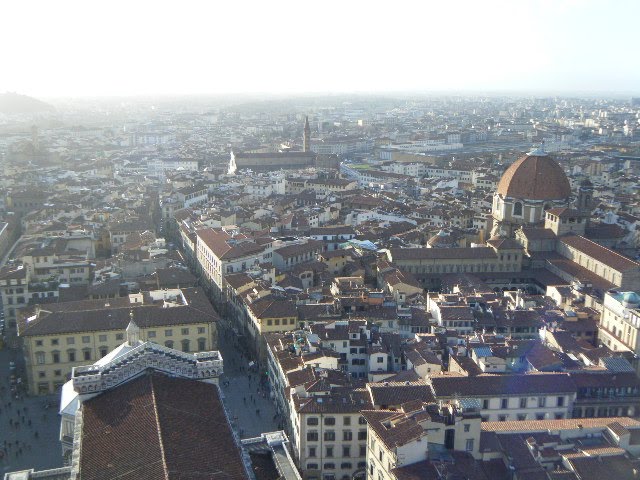
City of Florence
フィレンツェの町


Maddalena by Donatello
ドナチェロのマダレナ

Donatello along with Michelangelo was two leading sculptors of Renaissance Italy. There are some figurative sculptors who consider him above Michelangelo in that Donatello provides the best solution to what each different theme asks; that i,s Donatello sculpts according to the theme of work instead of imprinting artistic style on the work as is with Michelangelo. But what a style!

ミケランジェロとともにイタリアルネサンスを代表する彫刻家、ドナチェロの作品。彫刻家の中ではミケランジェロよりドナチェロのほうが優れていると思う人たちがけっこういる。彼らに言わせるとドナチェロは彫刻のテーマに合わせて作品を制作するのが非常に優れている。これにたいし、ミケランジェロはすごい技術力をもっているが、違うテーマでも自分のスタイルを押し付けて作成する。でもすごいスタイルだ!


Julius's Tomb with Moses. Michelangelo's forty year project (intermittently)
ユリウスの墓ミケランジェロの40年かけて(休みながら)制作した作品


Isao in front of sculpture of Moses
モーゼの彫刻の前に立っているイサオ君


"Florentine Pieta"
フィレンツェのピエター


One of the last sculpture piece by Michelangelo. Supported by Nicodemus and two Marys, the face Nicodemus is said to be that of old Michelangelo.

晩年のミケランジェロの作品。後ろのニコデマス(又はジョセフかも)とす二人のメリーに支えられているキリストの彫刻像。ニコデマスの顔はミケランジェロの顔をモデルにしたと言われている。


"Pieta"
ピエター

Work of very young Michelangelo. One of my favorite classical sculpture, speaking from little experience, its amazing how anyone can carve something so intricate from something hard as Carrara marble.

若きミケランジェロの作品で私の大好きなクラシック彫刻の一つである。学生のころからの少しの経験からで言うけれど、硬いカララの大理石からこのような複雑な作品が彫れるなんて信じられないほどの技術力をミケランジェロはもっていたようだ。


"The School of Athes" by Raphael
ラファエルのスクール・オフ・アテネ
The central piece of Vatican frescoes. This fresco is consider by many to be Raphael's greatest work. It shows Raphael's balanced perfection at its best.

バチカンフレスコの中心作品です。この作品は多くの専門家たちからラファエルの名作品と思われ、彼の完璧のバランス構成を表しています。


Isao dining with friends in Italy(?)
友人たちとイタリア(?)で食事している梅田力君

Thursday, April 1, 2010

Flying Plum Tree of Michizane 「大宰府天満宮の飛び梅」

"Flying Plum Tree" in Dasaifu Tenmangu Shrine (photo by Shingo Yonezawa)
大宰府天満宮神社にある飛梅 (写真米澤慎吾氏より)

Friend of mine in Hokkaido Japan, Shingo Yonezawa, upon seeing my post on Michizane exhibition at Blackfish Gallery, sent me a photo of Michizane shrine at Dasaifu with plum tree.
This plum tree is believed to be the famous "flying plum tree" that appears in one of legends that surrounds Michizane. A historical buff, Mr. Yonezawa enjoys travelling to historical places, and one of these happened to be Dasaifu Tenmangu Shrine in Dasaifu where Michizane was supposed to have resided during the exile. According to the legend, Michizane with deep longing wrote poem about how he missed seeing the plum trees in Kyoto. In his poem, Michizane asked East wind to blow in the plum tree that might forget the spring without the owner's (Michizane) presence. Upon reading the poem, it is said the plum tree flew overnight to his yard from Kyoto.

Michizane stories, it seems show story- loving as well as supersticious aspect of Japanese.

I thank Mr. Yonezawa for photos and interesting stories of Sugawarano Michizane.

ブッラクフィシュの菅原道真展についての記事を北海道の友人、米澤慎吾氏が読み、太宰府天満宮神社にある飛び梅の写真を送ってくれた。歴史に興味深い米澤氏は歴史の場所をたどってよく旅にでるが、その一つの旅に大宰府を訪れたらしい。

伝説によると、都がこいしい道真は「東風こち吹かば 思い梅の花 あるじ無きとて春忘れそ」と詠んだ時一晩で京都から大宰府に飛んできたらしい。

菅原道真についての話や写真、米澤氏に感謝します。